
The Silent Cancellation: When Monster Hunter Wilds' Performance Woes Forced Capcom to Retreat
Monster Hunter Wilds performance issues and CEDEC 2025 lecture cancellation highlight Capcom's struggle with optimization and technical turmoil.
The echoes of disappointment still reverberate through the halls of the gaming world. Monster Hunter Wilds, a title that promised boundless new frontiers, instead became a cautionary tale of ambition outpacing execution. By 2026, the narrative is not one of triumphant hunts but of a player base that vanished like morning mist, a staggering 98 percent loss borne from technical turmoil. The game's Steam reviews, a digital tombstone reading "Overwhelmingly Negative," stand as a stark monument to promises unfulfilled. Yet, in the quiet corridors of industry conferences, another story was poised to be told—a story of optimization, of walking a thorny path. That story was abruptly silenced.
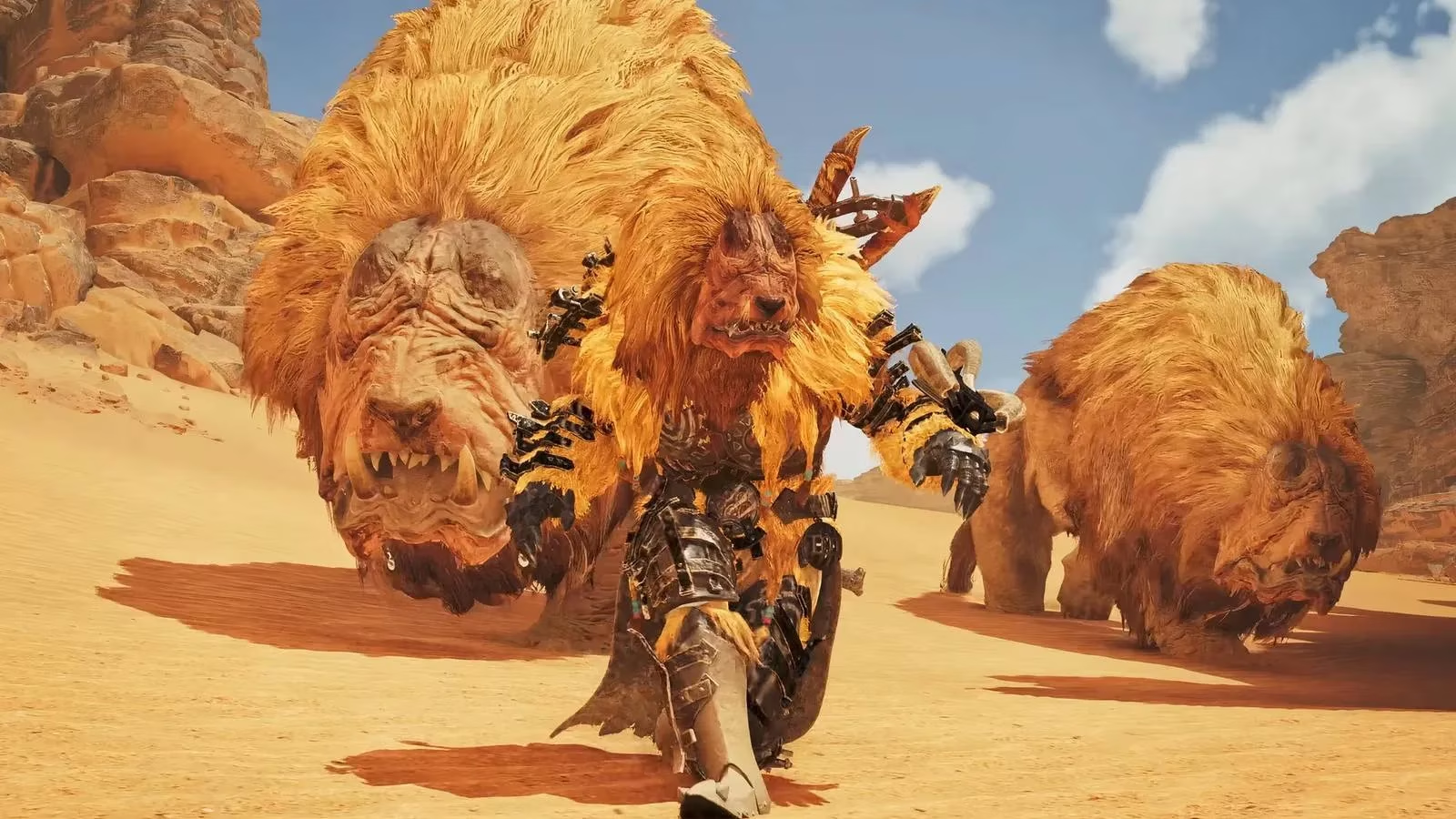
The Lecture That Never Was
What happens when a developer prepares to share its hard-won lessons, only to find the classroom empty? Capcom had crafted a headline lecture for CEDEC 2025, Japan's premier gathering for computer entertainment developers. The title itself was a bold declaration: "Making Monster Hunter Wilds run smoothly! All about performance adjustments." The description promised to unravel a complex history, to dissect the battlefield where the noble goals of quality and the harsh realities of performance stood in direct opposition. The lecture was structured to guide peers through a three-pronged technical autopsy:
-
CPU Load: The central brain of the operation, where logic and AI calculations bottlenecked.
-
GPU Load: The visual heart, straining under the weight of untamed landscapes and colossal beasts.
-
Memory Usage: The fleeting realm of data, where streaming worlds demanded more than was readily given.
The stated mission was altruistic and grand: to "raise awareness of 'performance' throughout the industry and contribute to improving game quality itself." But weeks before the session, the lecture vanished from the schedule, cancelled without ceremony or explanation. The silence was louder than any presentation could have been.
The Unspoken Reasons
Why would a company retreat from an opportunity to lead a technical discussion? The answers, though never officially voiced, are painted clearly by the game's own troubled legacy. Could it be that facing an audience of peers, with the game's state a fresh wound, was a prospect too fraught with peril? The decision to cancel is widely seen as a strategic move to save face. How can one lecture on smoothing performance when the very subject of that lecture remains, for countless players, a paragon of instability?
The context is critical. The cancellation did not occur in a vacuum. Just prior, Capcom was compelled to issue a public statement—a rare and sobering missive—addressing the surge in customer harassment targeting its employees following Wilds' release. The statement spoke of threats to the employees' "peace of mind" and "physical and mental health," vowing legal action in severe cases. This climate of heightened tension and scrutiny undoubtedly cast a long shadow over the decision. What value has a technical lecture when the human cost of development is so palpably in the air?
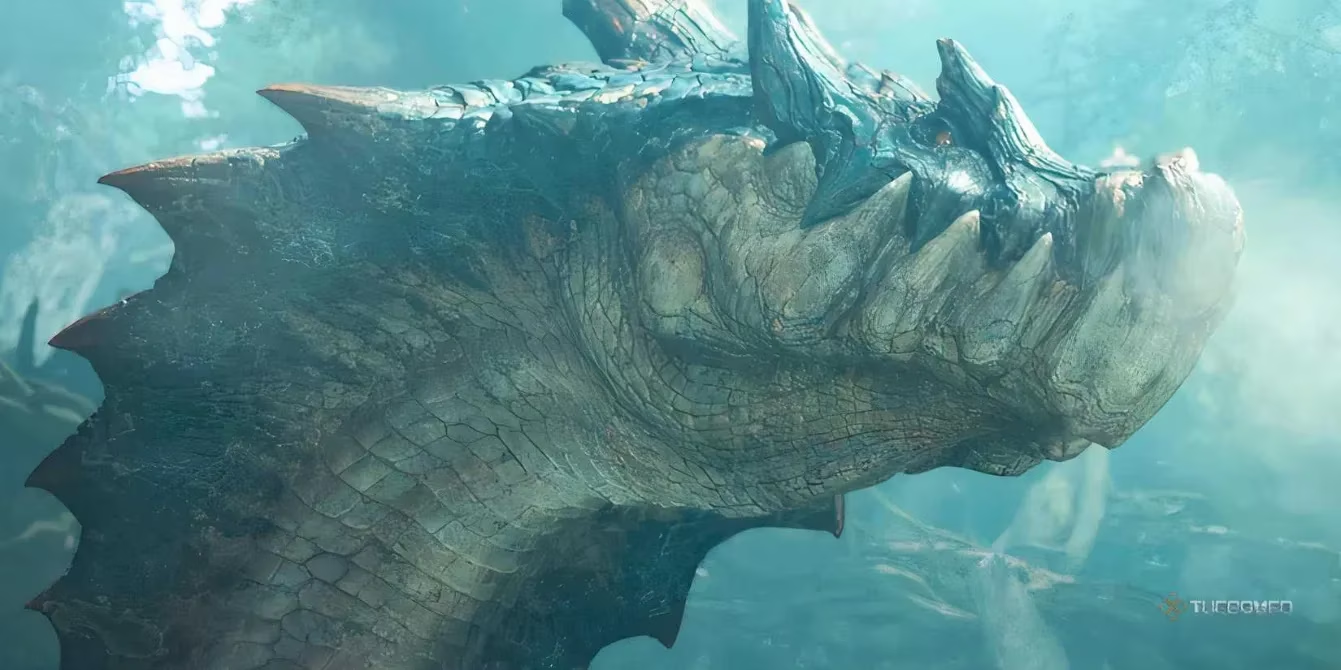
A Legacy of Lost Potential
As of 2026, the saga of Monster Hunter Wilds serves as a complex case study in modern game development. The initial vision, as glimpsed in promotional material, was one of awe-inspiring scale. Yet, the launch reality created a chasm between expectation and experience. The community's response was not merely criticism but a mass exodus. The following table contrasts the envisioned promise against the lived reality:
| Aspect | The Promise (Vision) | The Reality (Launch State) |
|---|---|---|
| Technical Performance | A smooth, next-generation hunt | Plagued by bugs, frame rate issues, and poor optimization |
| Player Sentiment | Anticipatory excitement | "Overwhelmingly Negative" reviews and community frustration |
| Developer Dialogue | Open sharing of technical achievements | Cancelled lectures and statements on harassment |
| Player Base Health | Sustained growth and engagement | A catastrophic 98% decline post-launch |
The hoped-for redemption through post-launch updates arrived too late to salvage the moment for the CEDEC lecture. While a second title update brought marginal improvements for some on PC, the window for a triumphant technical post-mortem had firmly closed. The narrative had already been written by the players.
Reflections in the Silence
What lessons, then, linger in the void left by that cancelled lecture? The episode transcends a simple PR misstep. It speaks to the profound relationship between a game's technical soul and its public reception. It asks uncomfortable questions: 🤔
-
When does a pursuit of graphical fidelity or scale compromise the foundational experience?
-
How does a company ethically engage with a rightfully frustrated community without exposing its teams to harm?
-
Can the story of a project's technical struggles be told while those struggles are still a present, painful reality for its audience?
The cancelled CEDEC talk was meant to be a map of a thorny path already navigated. Instead, its absence becomes a different kind of marker—a silent testament to the fact that some paths are so difficult, their stories remain untold. The legacy of Monster Hunter Wilds in 2026 is thus a dual one: a game that struggled to run, and a conversation about why that happened that struggled to even begin. The hunt for stability, it seems, was the most elusive prey of all.
Comments