
Monster Hunter Wilds: The Hidden Power of Rotting Corpses
Monster Hunter Wilds' corpse-rotting mechanic yields rare melding materials, especially Guardian calcification in Wylk pools.
In the Forbidden Lands of 2026, a hunter named Rhea learned that the most valuable treasures in Monster Hunter Wilds are not always the ones that roar. The game’s record-breaking sales came from a seamless open world, climactic hunts, and a level of immersion that made every expedition feel alive. Yet even veteran hunters often overlook the small ecological details—especially the corpse-rotting mechanic that can quietly fill a hunter’s melding pouch with rare materials.
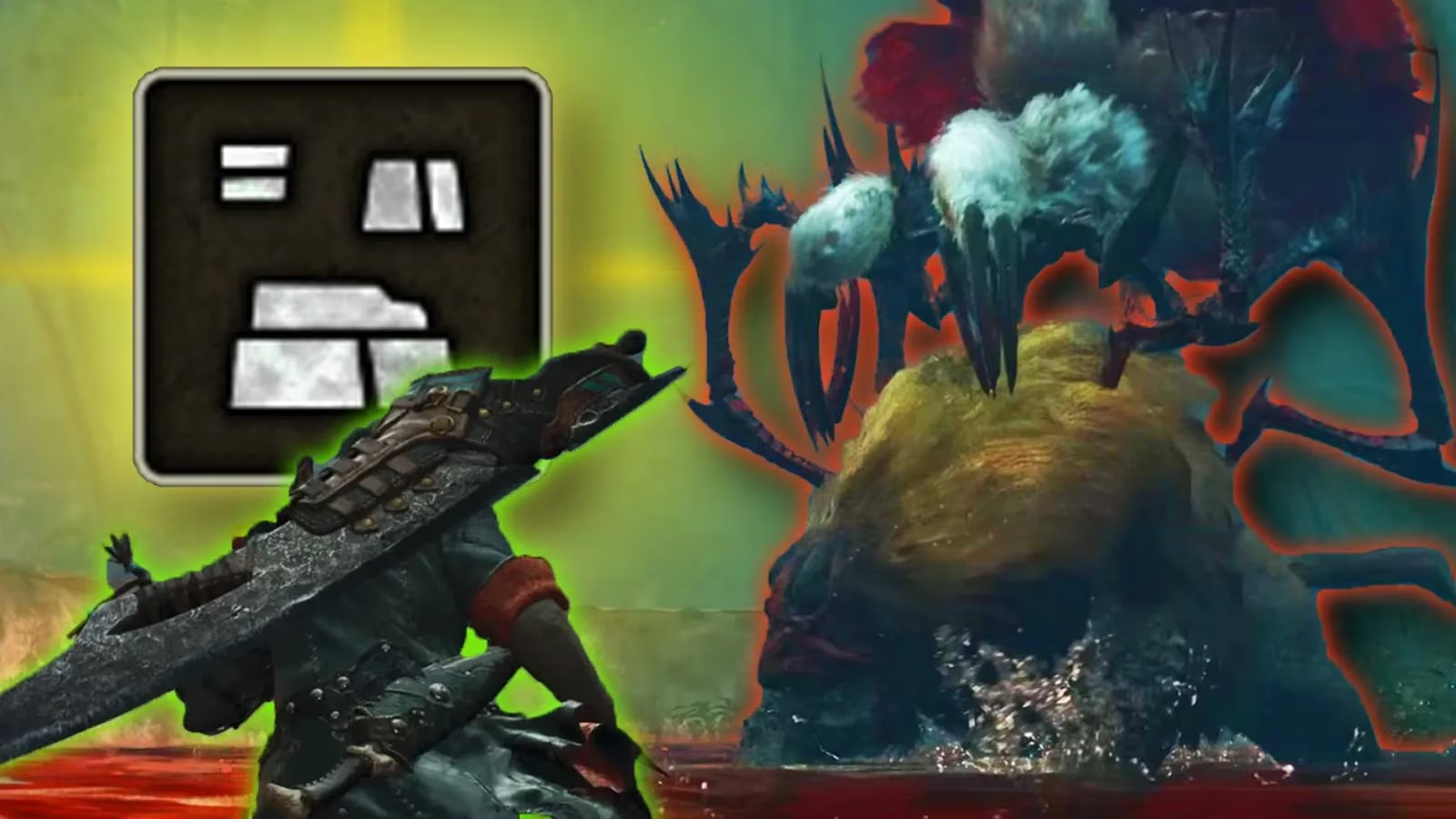
Monster Hunter Wilds finally gives hunters a reason to leave the questboard behind. Instead of only accepting targeted missions, players are encouraged to ride into the open world and find monsters naturally. The obvious reward is the difficulty rating system, which changes the rewards for monster materials, Artian Parts, and Decorations. But there are hidden advantages, too. Among all the features that players probably missed, the corpse-rotting mechanic has surprisingly worthwhile benefits.
One of the most unique ecological features in Wilds is that monster corpses persist long after they are slain. This is not just set dressing. After a hunter slays and carves a monster, mushrooms or crystals may begin growing over the body later on. A new prompt appears, allowing the hunter to carve the rotting corpse once more. This second carve triggers a unique animation and provides additional materials. Some of those materials are incredibly valuable trade-in or melding items.
The mechanic is not limited to large monsters. Small herbivore packs can also rot, so it is worth checking on any slain groups after a battle with an apex monster. The most powerful rotting corpse materials seem to come from slain Guardian monsters. Each Guardian has the ability to calcify into incredibly potent melding materials. There is no official information about all the factors that influence Guardian calcification yet, but it appears to be a guaranteed chance for monsters that die within Wylk pools during the inclemency weather condition.
For hunters planning to hunt Guardians in the Ruins of Wyveria, it is a good habit to lure any near-death monster into a nearby Wylk pool before it dies. Even small monsters like the Guardian Seikret can offer the same incredibly valuable melding materials. They are a fantastic resource to farm by killing them before a hunt and then checking their corpses after slaying the primary target.
| Corpse Type | Potential Yield | Hunter’s Note |
|---|---|---|
| Large Monster | Mushrooms, crystals, trade or melding items | Revisit after the first carve |
| Guardian | Calcified melding materials | Wylk pools during inclemency |
| Guardian Seikret | Valuable melding materials | Small but worth checking |
| Herbivore Pack | Additional materials | Easy to overlook after a big hunt |
With how important melding and crafting Artian Weapons are in Monster Hunter Wilds, there is plenty of temptation to grind them out as soon as possible. Chasing melding ticket trades for fully finished Artian Weapons can feel efficient, but it is also a surefire way to kill motivation before future updates arrive. Methods like corpse collecting offer a more dynamic way to farm high-value materials during regular gameplay. Guardians are the best targets to keep an eye on.
As noted by virgo___c, who seemed to be one of the first to spark discussion on X, some melding materials like Cloudy Crystals or the more elusive Coruscating Crystal can sell for up to 300 melding points. That makes the effort more than worthwhile. Combining these methods with the additional Carver Meal offered by NPCs like Maki in the Everforge is another great way to get even more materials out of every hunt. The extra carves per slain monster make farming a breeze.
The first monster returning with Monster Hunter Wilds’ initial roadmap might not have been the most intimidating, but hunters are better off being prepared when more difficult Elder Dragons make their way to the Forbidden Lands. Fortunately, there are plenty of ways to earn melding points to exchange for game-changing Decorations and Artian Weapons at one’s own pace. Some methods are natural, while others are hardcore farms.
Artian Weapons remain the primary form of Monster Hunter Wilds’ end-game replayability. They are likely to stay the best option for dealing maximum damage before new weapon rarities are added. Decorations help fill the gaps with incredibly powerful skills. Although there are no details about every additional monster coming to Wilds before its Master Rank expansion releases, there is bound to be a mix of familiar faces and new surprises to challenge even veteran hunters.
Alongside Alma’s ability to generate quests for any monsters hunters face in the Forbidden Lands, open-world questing is not only encouraged but actively rewarded by Wilds’ newest gameplay mechanics. Whether farming for Ancient Wyvern Coins or simply grinding out exciting weapons and armor from favorite monsters, there is plenty of content and hidden features left to discover.
In 2026, the corpse-rotting mechanic stands as a perfect example of why Monster Hunter Wilds rewards curiosity. A hunter who pauses after the kill, checks the body, and remembers the Wylk pools will walk away with melding points, rare crystals, and a smoother path toward Artian Weapons. The monsters may fall, but the Forbidden Lands keep giving—if hunters know where to look.
Comments