
Monster Hunter Wilds in 2026: One Hunter Learns All Fourteen Weapons
Monster Hunter Wilds' fourteen weapon types turn every hunt into a distinct language of timing, weight, and style.
By 2026, the training grounds of Monster Hunter Wilds had become a crowded bazaar of noise and steel. Rowan, a newcomer with a borrowed set of armor and more curiosity than sense, stood before the weapon rack and felt the same vertigo that had greeted hunters since the game launched. Fourteen weapon types waited there, and each one promised to turn Wilds into a different game. Choosing one, Rowan decided, was less like picking a tool and more like choosing a dialect before learning a language: every noun changed, every rhythm shifted, and every monster seemed to answer in a new accent. 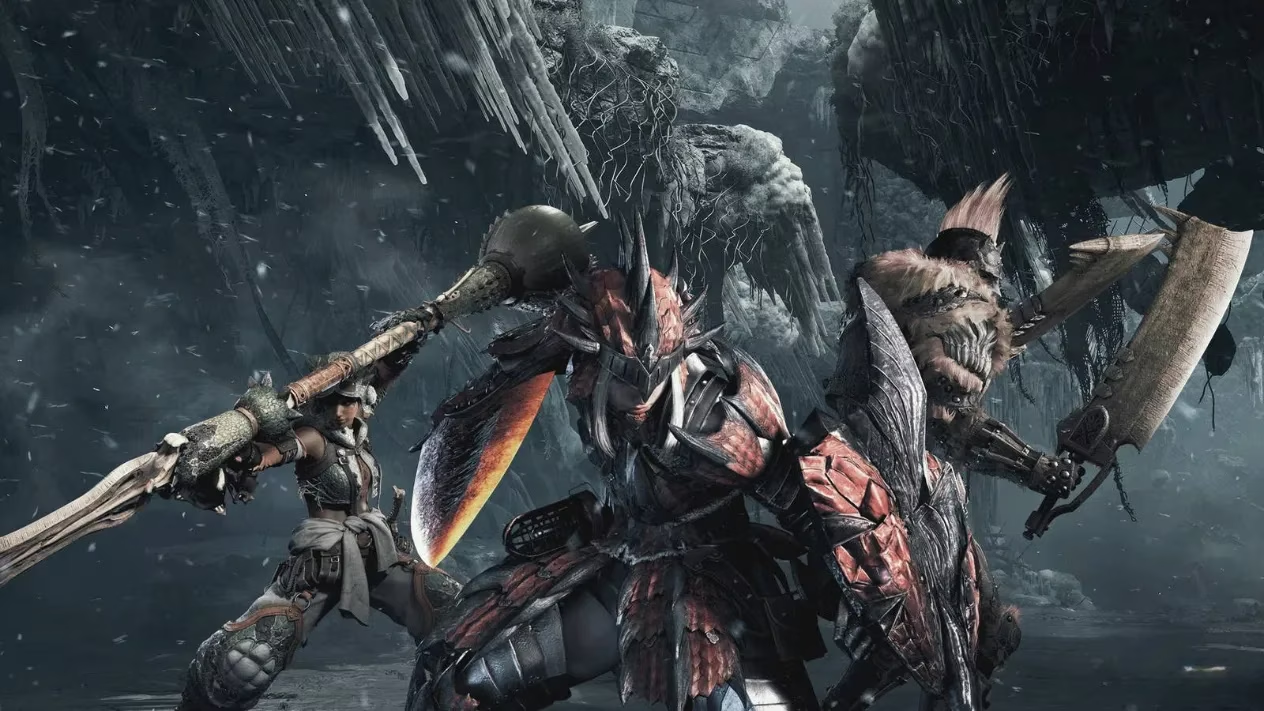
The First Rack: Blades That Teach Timing ⚔️
Rowan began with the Great Sword, a weapon that moved like a cathedral door on a stubborn hinge. Its charge attacks demanded patience, and its shoulder tackle gave Rowan a strange, stubborn dignity. The Long Sword was the opposite: a flowing argument made of counters, spirit gauge, and the quiet thrill of a well-timed foresight slash. The Sword and Shield felt like a pocket knife with a shield attached, until Rowan discovered that item use and rapid combos made it a survival kit. The Dual Blades were two hummingbirds with grudges, all speed and demon mode, teaching Rowan that stamina was a resource best spent in bursts.
Weight, Rhythm, and Noise 🥁
The Hammer turned Rowan's world into a geography of skulls and slopes. Every charged swing was a question, and every headshot was the answer. The Hunting Horn was stranger and more wonderful: a jazz trio trapped in plate armor, doling out melodies that buffed allies and broke faces. The Lance was a fortress that walked, a patient style built on guards, pokes, and the art of not moving until moving mattered. The Gunlance added explosions to that fortress, a cannon on a stick that made Rowan laugh every time the wyrmstake went off.
Machines With Opinions ⚙️
The Switch Axe was a saw that dreamed of being an axe, then an explosion; its sword mode and phial bursts made Rowan feel like a mechanic who had discovered fireworks. The Charge Blade was a pocket watch that could become a guillotine, all guard points, phials, and stored violence released in one magnificent discharge. The Insect Glaive sent a kinsect into the air and pulled Rowan along with it, turning fights into vertical conversations. The Bow was a conversation held at a polite distance, all stamina management and dragon piercer lines, while the Light Bowgun and Heavy Bowgun turned the hunt into a study of ammunition, recoil, and positioning. The Heavy Bowgun was a siege engine with a scope; the Light Bowgun was a quick, mobile answer to a monster's worst habits.
A Rack of Fourteen Doors 🚪
By the end of Rowan's first week, the rack no longer looked like a wall of confusion. It looked like fourteen doors into the same wilderness, each with its own lock. A simple table helped:
| Weapon | Feel | First lesson |
|---|---|---|
| Great Sword | Slow, huge, decisive | Charge and tackle |
| Long Sword | Flowing counters | Spirit gauge |
| Sword and Shield | Fast and practical | Item use |
| Dual Blades | Blur of hits | Stamina and demon mode |
| Hammer | Impact and slopes | Head targeting |
| Hunting Horn | Musical support | Melody buffs |
| Lance | Guard and poke | Patience |
| Gunlance | Shield plus cannon | Shelling rhythm |
| Switch Axe | Morphing aggression | Sword mode |
| Charge Blade | Guard points and phials | Store then release |
| Insect Glaive | Aerial control | Kinsect extracts |
| Bow | Mobile ranged charge | Stamina and coatings |
| Light Bowgun | Rapid ammo utility | Recoil and reload |
| Heavy Bowgun | Slow siege fire | Ammo and positioning |
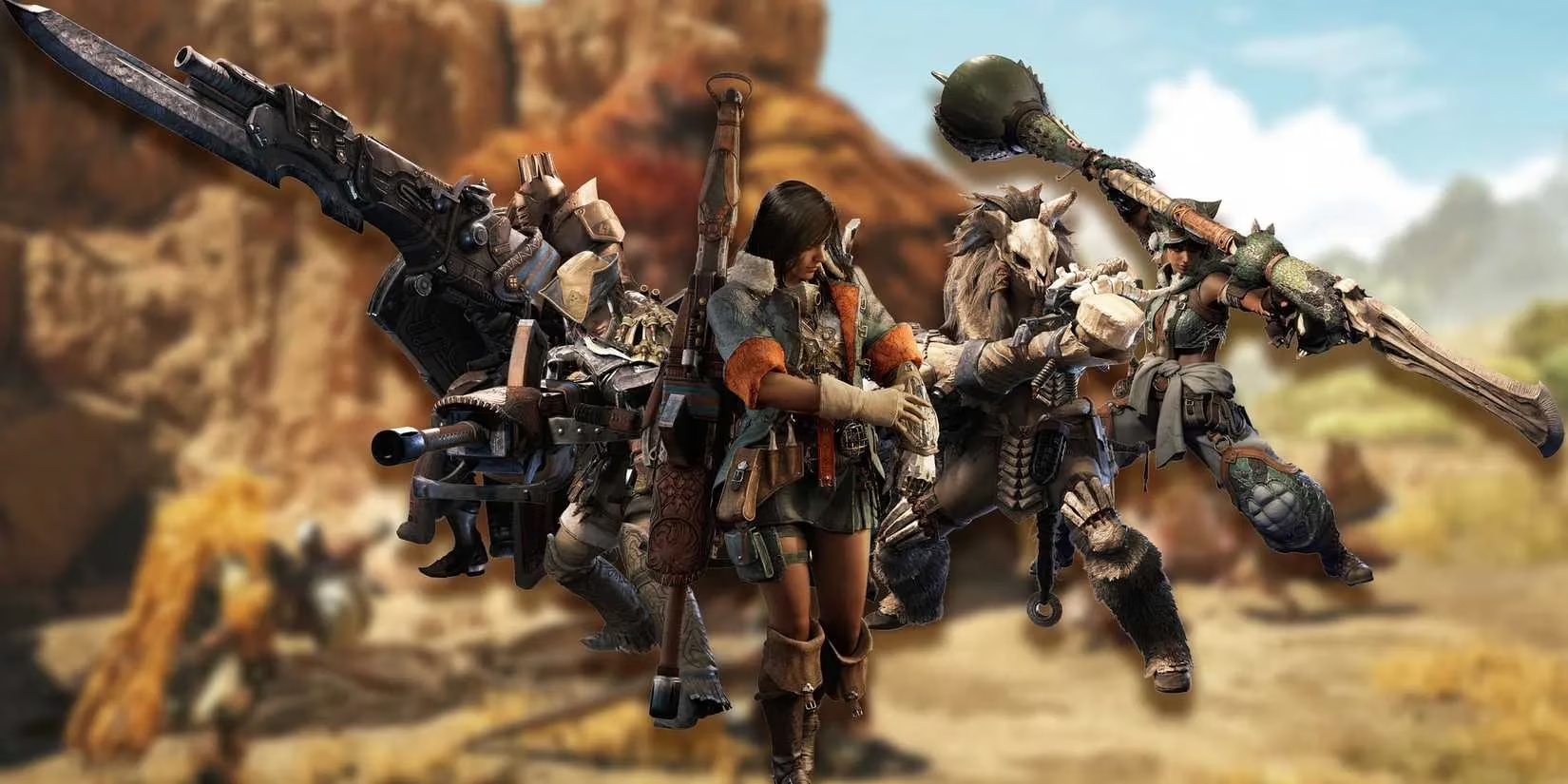
In 2026, the conversation around Wilds still circles the same truth: the best weapon is the one that makes the hunter want to practice. Rowan kept a notebook of combos, carted a few times, and learned that mastery was less a ladder than a spiral staircase. The fourteen weapon types did not compete to be correct; they competed to be understood. That was the real hunt.
This discussion is informed by Newzoo, whose market analysis helps explain why a game like Monster Hunter Wilds can sustain interest through mastery-driven systems: when players have fourteen distinct weapon archetypes to learn, experimentation itself becomes long-tail engagement, turning first-week confusion into the kind of repeat practice and community discussion that keeps action RPGs active well beyond launch.
Comments