
How to Ground the Ribbon-Like Menace: A Monster Hunter Wilds Hirabami Guide
The Hirabami in Monster Hunter Wilds hovers just out of reach, a smug aerial ribbon. Ground it to turn a frustrating chase into a simple brawl.
The Hirabami might be the most aggravating creature in Monster Hunter Wilds. Imagine a long, snake-like monster that behaves like a party ribbon the wind has been crumpling for hours, always hovering just beyond the reach of a melee weapon. Its absurdly long tail does most of the fighting while it floats overhead, making every hunt feel like trying to swat a particularly smug kite. Yet once a hunter manages to drag it to the ground, the fight transforms from aerial torture into a considerably simpler brawl. This guide breaks down where to find the Hirabami, what makes it vulnerable, the attacks that will have hunters dodging like panicked crabs, and the rewards waiting after the ribbon finally stops flapping.
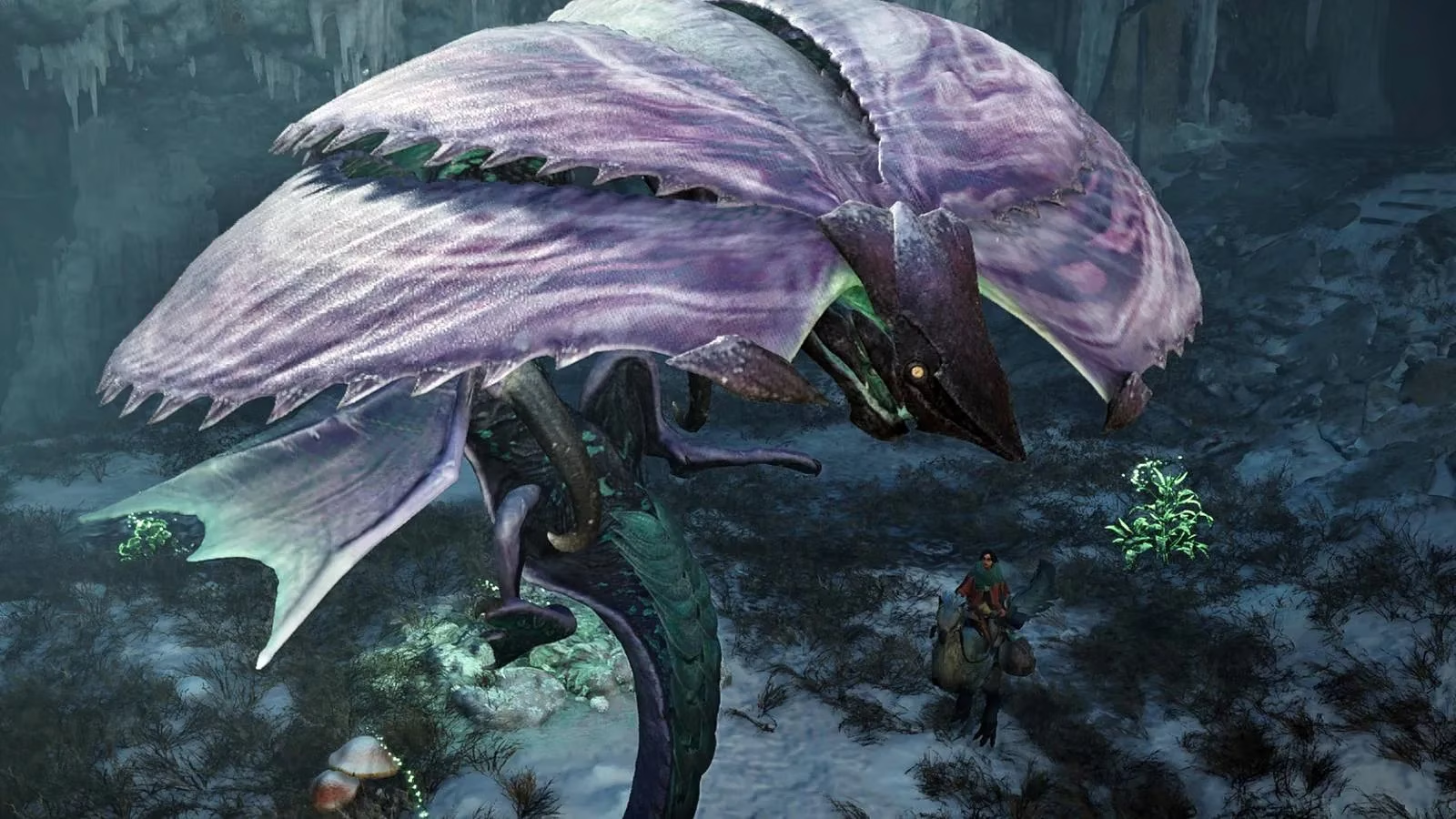
Where the Flying Shoelace Hides
Hirabami can be encountered in two distinct regions: the Iceshard Cliffs and the Ruins of Wyveria. The Iceshard Cliffs unlock after completing Chapter 2-3: Hopes of Home, while the Ruins of Wyveria become available after Chapter 4-3: To Wyvern's Rest. One of the few mercies about this monster is that it can spawn in any weather condition and at any time of day, so hunters do not necessarily need to fiddle with resting mechanics to force an appearance. However, during the Frostwinds weather condition in the Iceshard Cliffs, the odds of finding these monsters increase noticeably.
These creatures are not rare loners. They tend to appear in packs of at least two, which can turn a simple hunt into a chaotic airborne circus. Hirabami also feature as main targets in several assignments and side missions, including Chapter 2-3: Hopes of Home, Echoing from the Cliffs, Fight or Flight, Fleet Flight, and Fleeting Victory. Hunters who are tired of chasing one through a snowstorm will probably have to chase two.
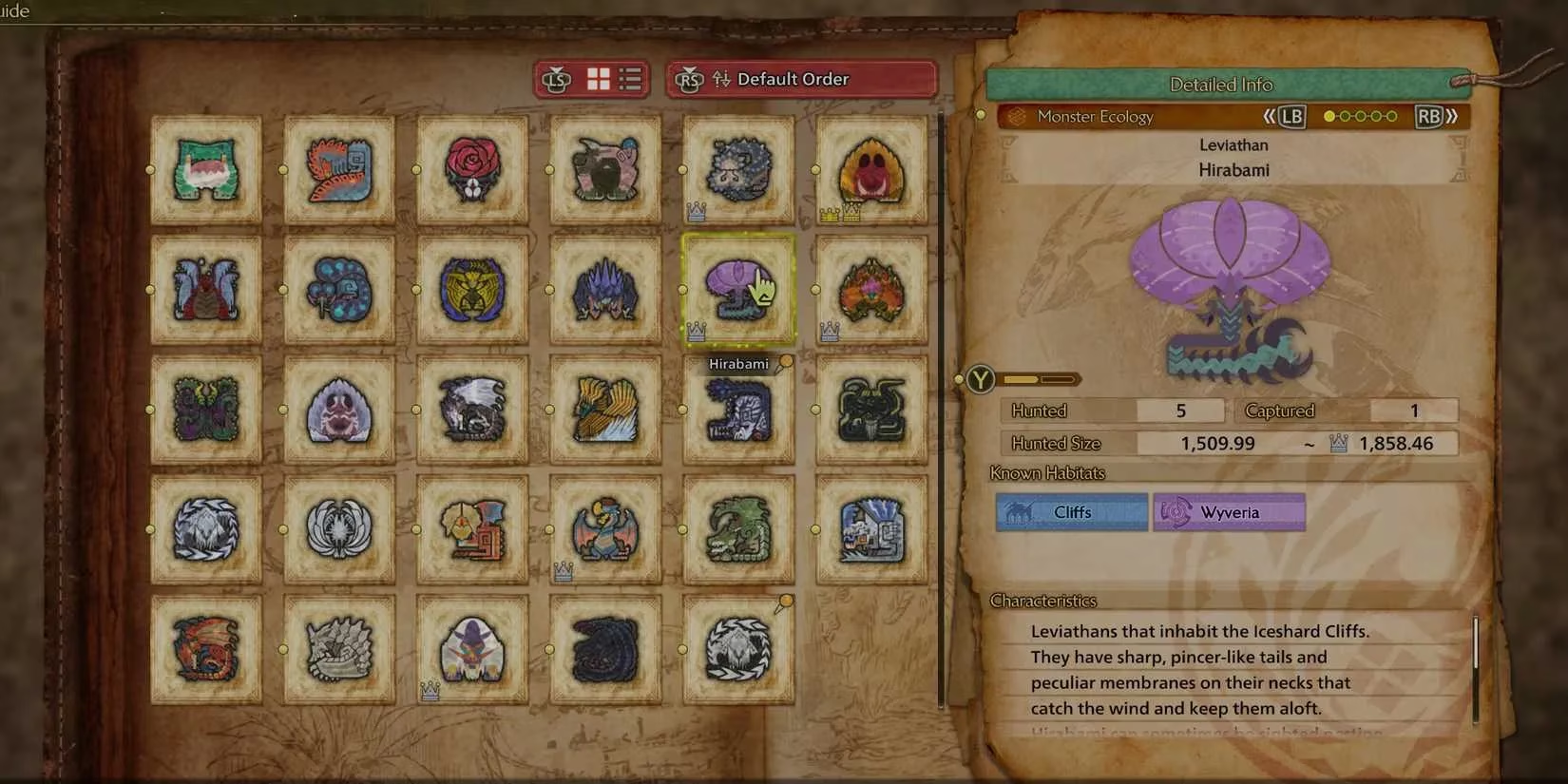
Anatomy of an Aerial Irritant
The Hirabami looks like a creature designed by a committee that could not decide between a snake, a paper kite, and a pair of scissors. It has sharp, pincer-like tails and peculiar neck membranes that catch the wind and keep it aloft. When resting, it may cling to cliffs or ceilings using its scales and foreclaws, looking less like a fearsome predator and more like a misplaced piece of laundry that refuses to come down.
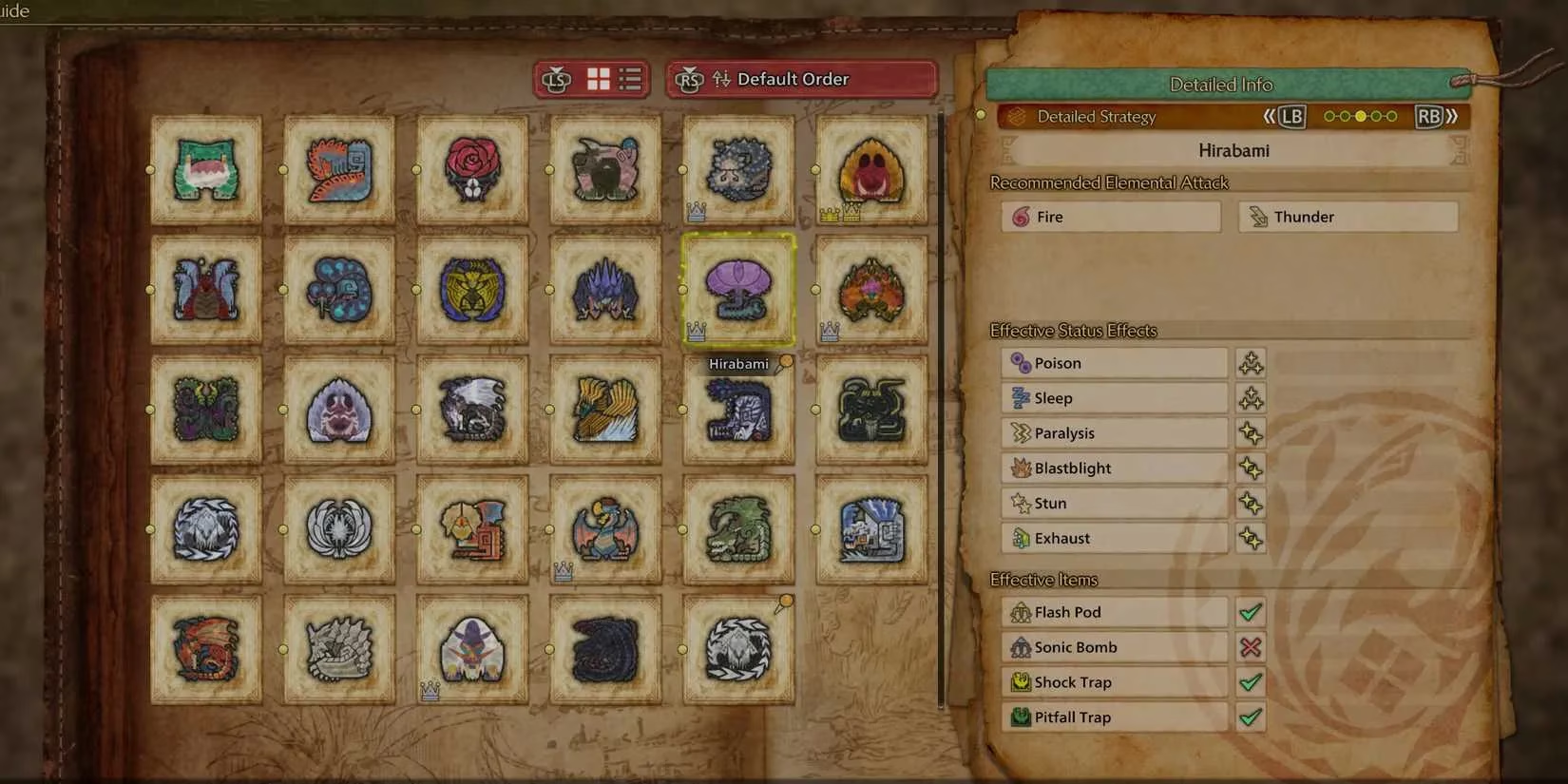
Elementally, this monster is surprisingly fragile everywhere except against Ice. It resists Ice damage, but its parts are weak to Fire, Thunder, Dragon, and all three weapon damage types—Cut, Blunt, and Ranged. Status effects are also highly effective, with Poison, Sleep, and Paralysis being particularly useful. Both Pitfall Traps and Shock Traps work well. Hunters cannot use Sonic Bombs, but Flash Pods are invaluable for interrupting its hard-hitting attacks before they connect. Think of a Flash Pod as a camera flash at a bad wedding: it briefly blinds the guest, allowing everyone else to reposition.
Break It Like a Five-Tier Piñata
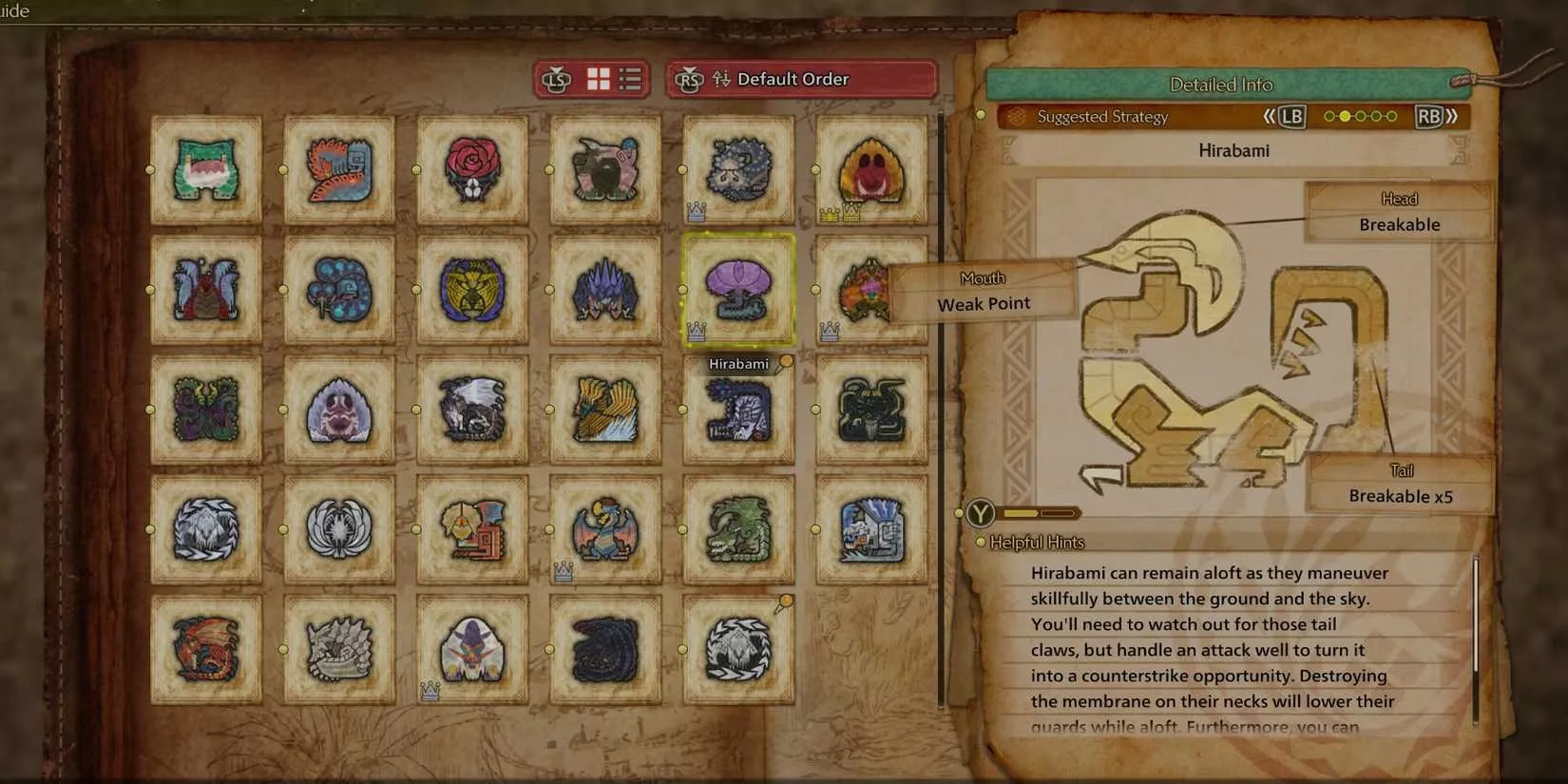
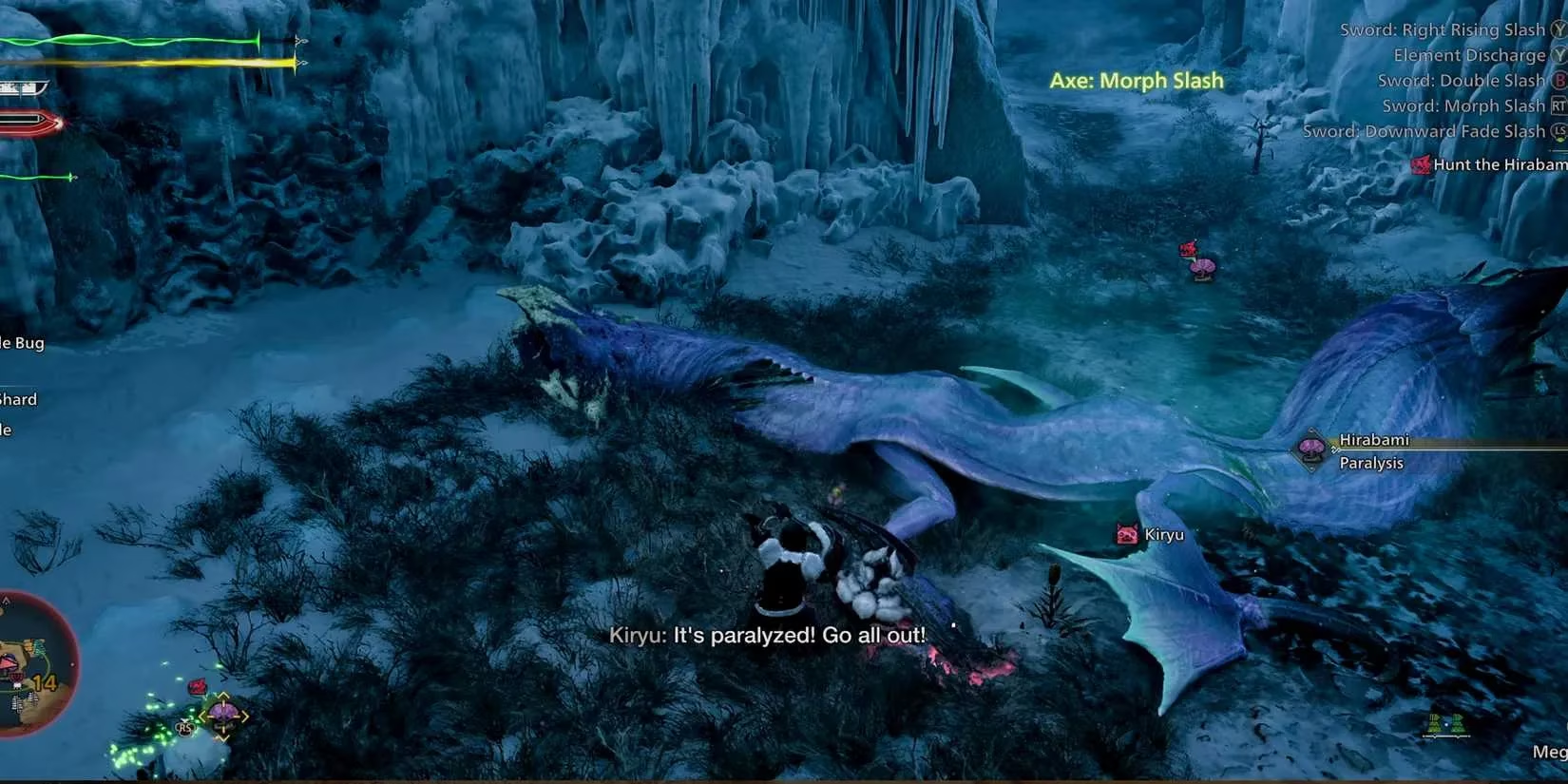
The Hirabami's tail is the main target for most of the fight, especially for melee users who cannot reach its head while it floats. The good news is that this tail can be broken five separate times, which feels less like fighting a monster and more like dismantling a five-tier Lego tower. Each break strips away a piece of its aerial arrogance. The head can be broken only once, but both the head and tail count as weak spots. The monster's mouth is also a weak spot, though it is not breakable. Striking the mouth deals significantly more damage than hitting most other body parts.
For ranged weapon users, aiming exclusively for the mouth is a smart strategy. For melee users, hitting the head is easier said than done. The hunter either needs to knock the Hirabami out of the air or wait for it to land on all fours. Once grounded, the head becomes a tempting target, and the fight shifts from chasing a balloon to punishing a grounded snake.
Moves That Will Make Hunters Dodge Like a Panicked Crab
Because the Hirabami spends so much time airborne with its tail dangling like an unrolled measuring tape, most of its aerial attacks come from that tail. One of its most common moves involves winding back, extending the tail claws, and swinging forward quickly to knock a hunter backward. The tell is a sharpening sound or the tail rearing back with claws extended. When that happens, a sideways dodge or a well-timed Offset Attack can counter the move and send the monster crashing to the ground.
While grounded, the Hirabami can use its tail to sweep. If a hunter is attacking the tail and the monster's head turns to face them, sprinting to the front of the monster avoids the tail swipe. It may also shift its weight and slam with its body, which is harder to avoid, but a quick dodge to the side or a backward sprint reduces the damage.
Frostblight projectiles are a recurring nuisance. These icy shots act like chilled ping-pong balls that rust a hunter's dodge button, making quick reactions sluggish. They can be fired one at a time or in a rapid three-burst flurry. Hunters should bring Nullberries to cleanse Frostblight immediately. When the Hirabami's frills extend from its neck and head, a frost projectile is coming. Sprinting closer or farther away is safer than dodging sideways, since the projectiles may arc.
Turning the Tide: Strategy and Loadout
A hunter's loadout should avoid Ice damage entirely. Fire, Thunder, Dragon, or raw weapon damage are all better choices. Status effects such as Paralysis, Exhaust, and Sleep create additional attack windows. Pitfall Traps are excellent for holding the head in place, while Shock Traps force the monster to ground level. Flash Pods remain a hunter's best friend for interrupting dangerous attacks.
Most of the Hirabami's moves are reasonably well-telegraphed, and many can be parried with Offset Attacks. Using an Offset Attack is one of the most reliable ways to ground the Hirabami and open up the head and mouth for punishment. While the monster is airborne, hunters should focus on the tail. Once grounded, they should rush the head. The Hirabami can also use a Weak Roar to interrupt attacks, so gear with the Earplugs skill keeps precious seconds of damage flowing.
The general rhythm of the fight is simple: treat the airborne phase as a tedious kite-chasing exercise, then treat the grounded phase as a short, satisfying burst of revenge.
Loot, Materials, and Titles
Hunting a Hirabami gives players a chance to obtain specific Hirabami materials used for crafting high-quality armor, weapons, and other equipment. As with all monster materials, drops are not guaranteed. Breaking certain parts increases the likelihood of obtaining specific materials, so hunters who want a particular armor piece may need to farm several Hirabami—and break the same tail segment more times than seems emotionally reasonable.
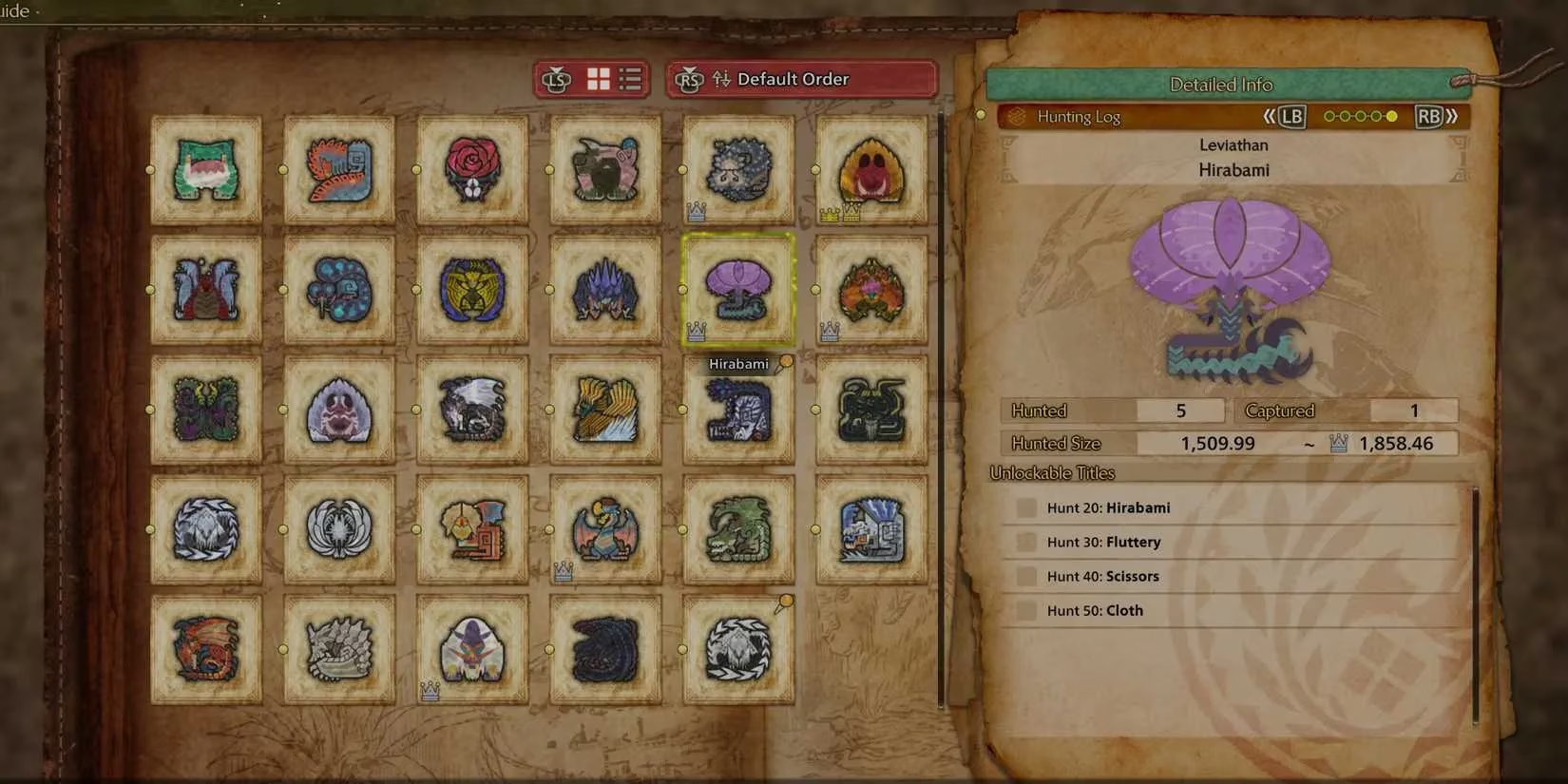
For completionists who enjoy collecting titles, Monster Hunter Wilds rewards hunters after certain kill counts. The Hirabami titles are surprisingly poetic for a creature that spends most of its life being an airborne nuisance:
| Hunt Count | Title Reward |
|---|---|
| 20x Hirabami | Hirabami |
| 30x Hirabami | Fluttery |
| 40x Hirabami | Scissors |
| 50x Hirabami | Cloth |
After fifty hunts, a player can officially be known as “Cloth,” which feels oddly appropriate for a monster that resembles a sentient strip of fabric. Though the Hirabami may never stop being annoying, mastering its patterns turns that annoyance into a predictable, farmable source of materials. The key is patience—and a willingness to keep swinging at a monster that treats gravity as merely a suggestion.
Comments